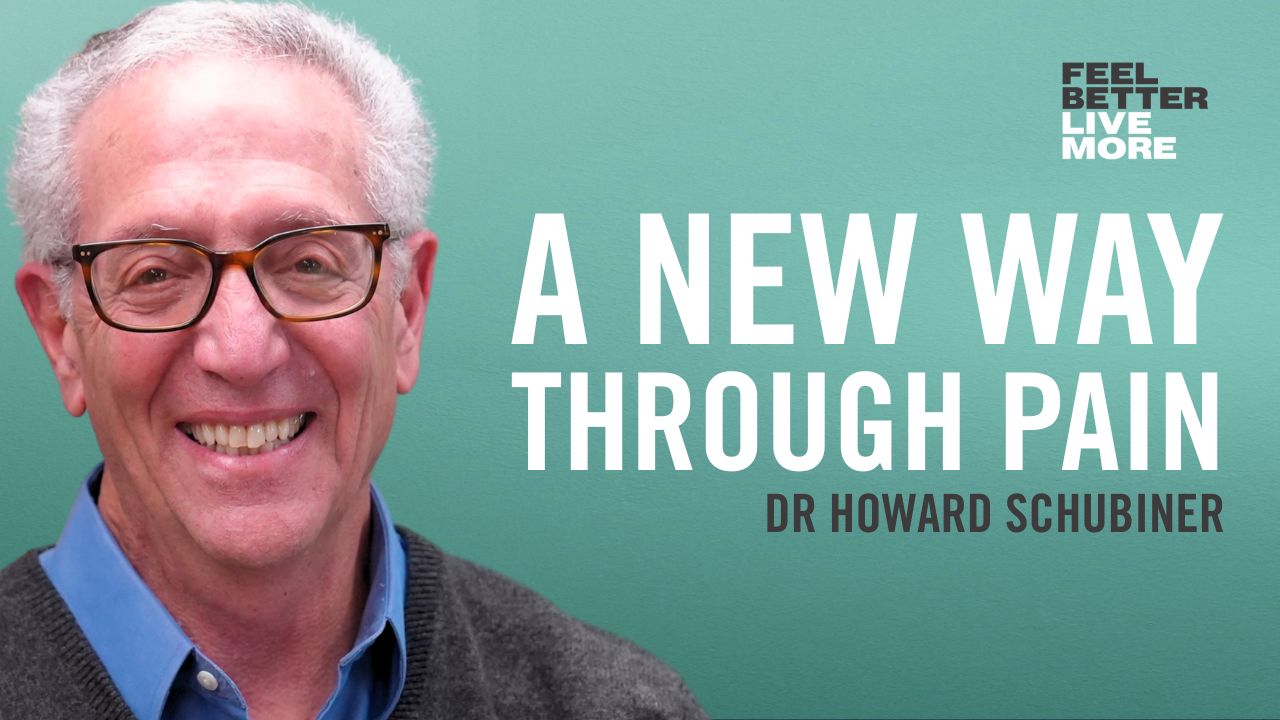
The Revolutionary Science Of Recovering From Chronic Pain, Fatigue, Anxiety & Depression with Dr Howard Schubiner
Listen on
Imagine being told for 25 years that your pain is incurable – then making a full recovery within six weeks. That’s exactly what happened to one of the case studies in this episode and his story is far from exceptional. Could it be that much of the chronic pain we accept in life isn’t evidence our body is broken, but a sign our brain is trying to protect us?
My guest this week is Dr Howard Schubiner, one of the world’s leading experts in chronic pain and the mind-body interaction. He’s spent more than 20 years working wonders with people who’d been told their pain was untreatable. He’s published over 100 scientific papers, runs one of the most respected programmes of its kind in the US, and his new book, Unlearn Your Pain, is set to transform how we think about suffering.
To kick off this game-changing conversation, Howard debunks some common beliefs around pain, including the assumption that an MRI scan will accurately diagnose back issues. We talk about why bulging discs, degeneration and other scary-sounding findings show up just as often in people who aren’t in pain. And why the language used in scan reports can sometimes do real harm.
To explain this, Howard talks us through the difference between structural and neuroplastic pain. The key learning here? All pain is created by the brain, through something called predictive processing. In structural pain, there’s clear tissue damage so your brain creates pain to help you protect the area and seek help. In neuroplastic pain, there’s some sort of perceived danger but no real injury. Here’s what’s important: both types are real. You are feeling pain. The difference is in the treatment.
For that, Howard shares his five-part framework for reversing neuroplastic pain – and it has nothing to do with painkillers. He also reveals how the same principles can be applied to tinnitus, dizziness, brain fog, long covid, IBS, anxiety, depression, fatigue and more. We talk childhood, the personality traits that subtly make us more vulnerable to neuroplastic symptoms, and why women are so often the ones carrying the weight.
Whether you’re living with a long-term condition yourself, supporting someone who is, or you’re simply curious about the communication pathways between our bodies and our brains, this is an episode you won’t want to miss.
Watch the video version of the conversation
Sponsors

AirBnB
Your home might be worth more than you think.

Do Health
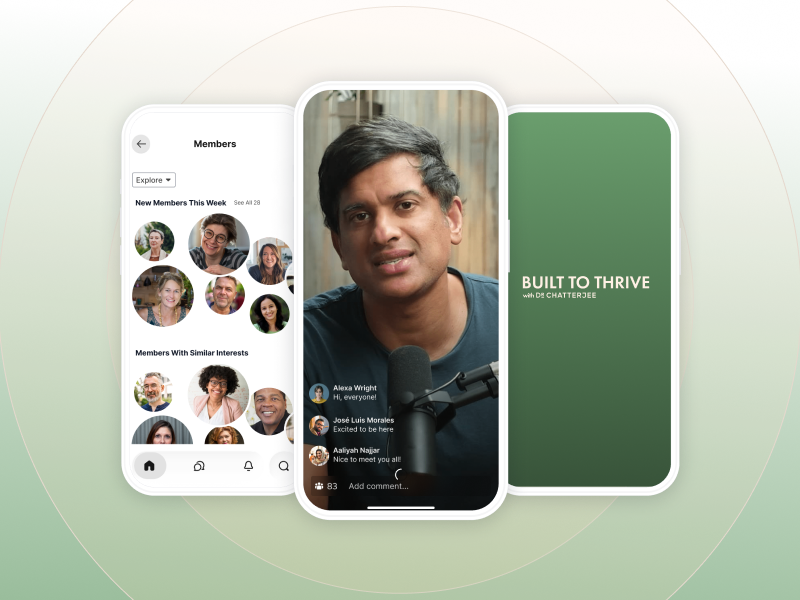
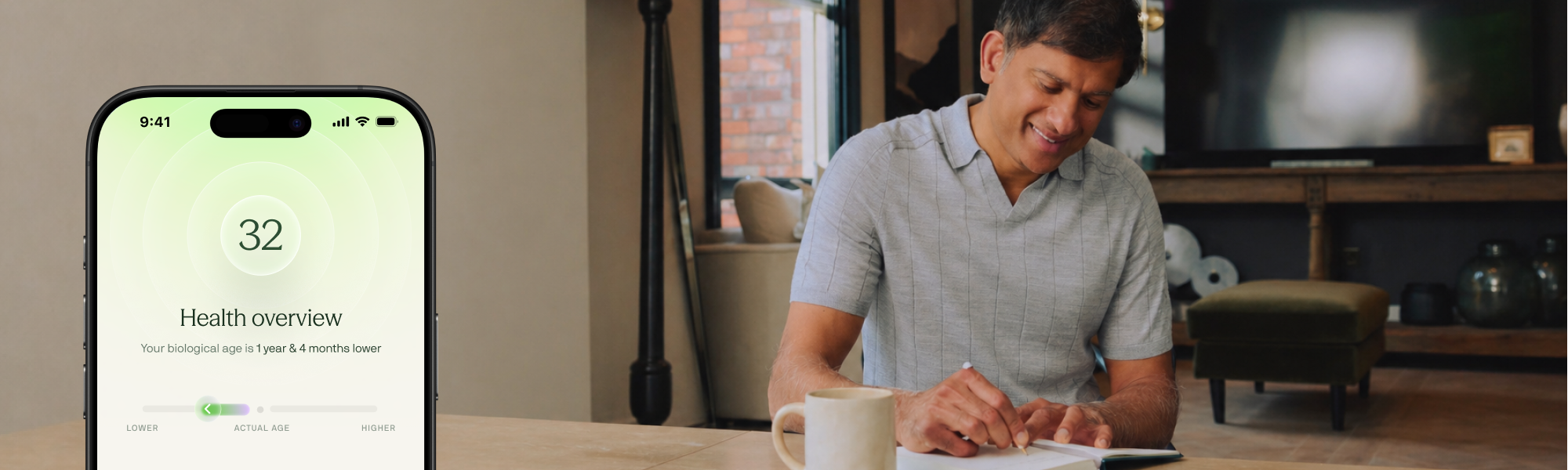
Optimise your health with my personalised, preventive health app. Get access today.

The Way
Enjoy 30 free days and begin your journey towards peace, calm and wellbeing

AG1
Save £20 of your first month plus FREE travel packs and welcome kit (UK & EU only) Kickstart your journey to better health.
“If pain can be learned, it can be unlearned.”
Dr Howard Schubiner
Sponsors
AirBnB
Your home might be worth more than you think.
Do Health
Optimise your health with my personalised, preventive health app. Get access today.
The Way
Enjoy 30 free days and begin your journey towards peace, calm and wellbeing
AG1
Save £20 of your first month plus FREE travel packs and welcome kit (UK & EU only) Kickstart your journey to better health.
*DISCLAIMER: This podcast is for information purposes only. The content in the podcast and on this webpage is not intended to be a substitute for professional medical advice, diagnosis, or treatment. Always seek the advice of your doctor or qualified healthcare provider. Never disregard professional medical advice or delay in seeking it because of something you have heard on the podcast or on my website.
†Disclosure: All books marked with a † are hyperlinked to an affiliate program. We take part in Amazon’s affiliate advertising program designed to provide a way for us to earn fees by linking to Amazon’s website. You are not charged any extra by using these links to purchase books.

Dr Rangan Chatterjee
MbChB, BSc (Hons), MRCP, MRCGP