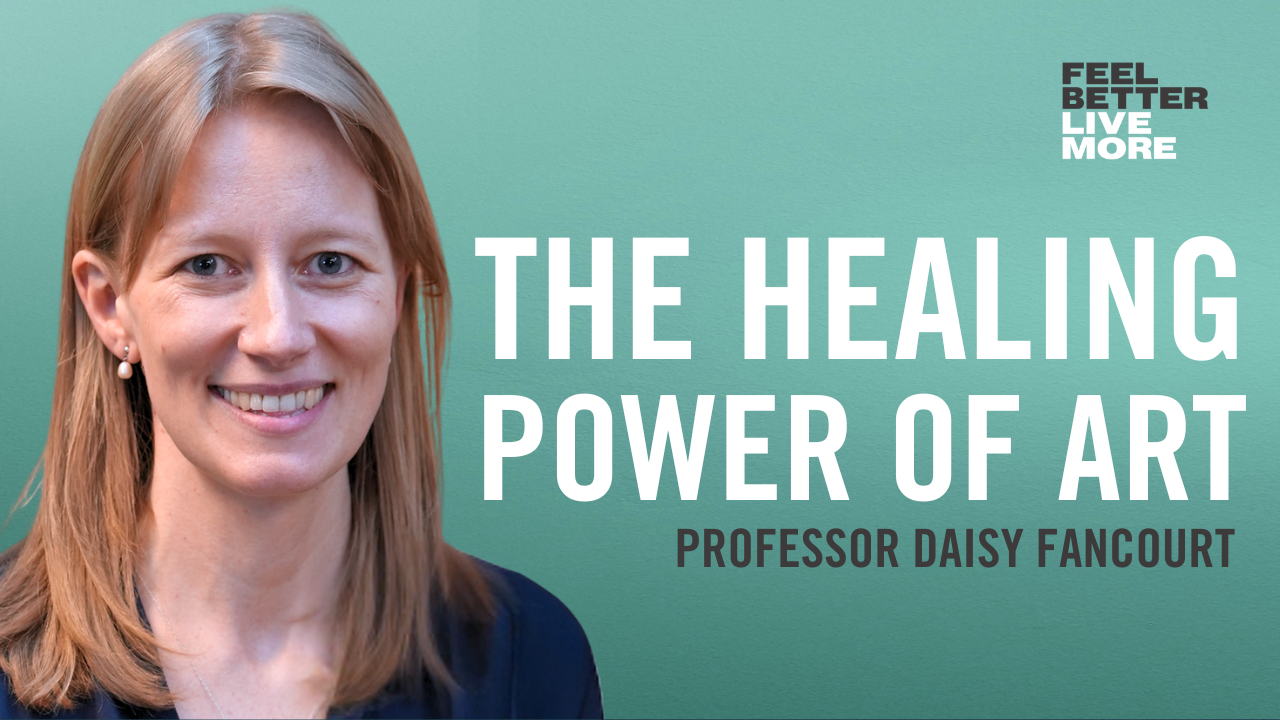
Why Creativity Is The Most Powerful Health Tool You’re Not Using with Professor Daisy Fancourt
Listen on
Most of us know that nutrition, movement and sleep are key pillars of health. But what if I told you that creativity belongs in the same conversation – and the science to prove it has been mounting up for decades?
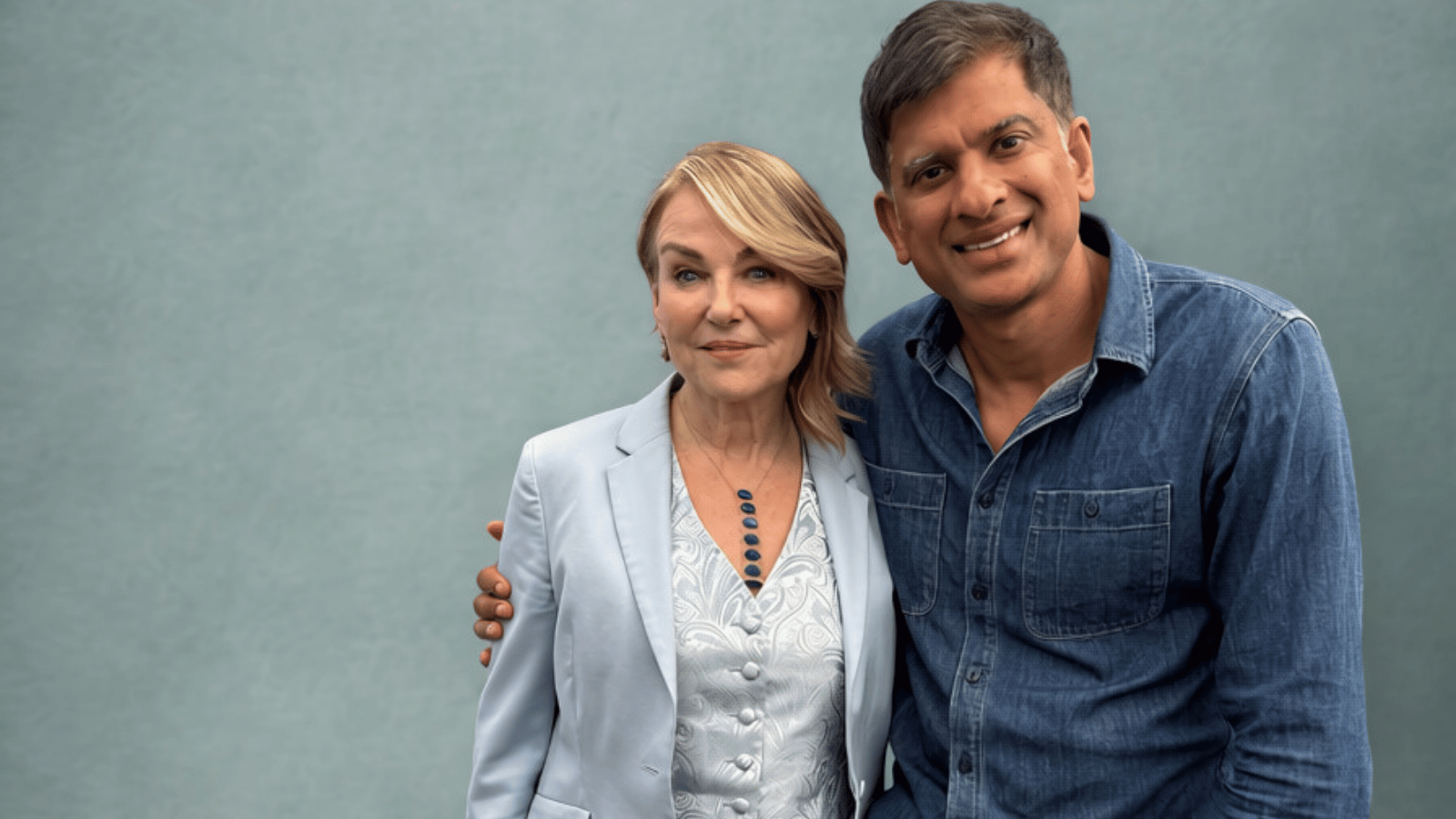
Professor Daisy Fancourt, one of the world’s leading health researchers, has uncovered a wealth of evidence linking engagement with the arts to improved mental and physical health. It’s all collected in her wonderful book, Art Cure, and I only wish it had existed as required reading when I was a medical student.
Daisy agrees it’s been a ‘bizarrely well-kept secret’. We think of creative pursuits – music, theatre, dancing, arts and crafts – as ‘nice to haves’ but not necessary parts of life. But she believes a public awareness shift is on the horizon. Just as we’ve come to understand that exercise is an essential component of health, so too will we realise that ‘art as medicine’ is a scientific fact – one to be prescribed not ignored.
It’s quite the promise – and a really exciting one to consider. Because for most of us, the arts represent enjoyment. So this health advice could be the easiest and most pleasurable you’ve ever followed! During this conversation Daisy and I discuss what engaging with the arts really means, and why it differs from non-creative, relaxing activities. We talk about the rise in screen-based ‘junk’ art, and why the post-pandemic continuum of virtual experiences can’t match real-world ones. And we explore how the arts tick lots of wellbeing boxes, from arousing nostalgia to firing the imagination, building confidence and communities to getting us moving.
Most of us instinctively get it: the creative side of life is good for us. The science behind it though, is extraordinary. From lowering blood pressure to slowing biological ageing, reducing dementia risk to lowering inflammation, these aren’t small effects. Engaging with the arts has even been shown to cut older adults’ risk of dying by 31 percent. Yet none of this has made it into mainstream health conversations – until now.
There is so much packed into this joyous episode, from the surprising power of music to the unique combination of benefits that come from dancing. Daisy also shares some original ways to incorporate the arts into your life more – you’ll never think of your five a day, or your commute, in the same way again. We’re born creative and embrace it in childhood, but I think we stop prioritising it as adults. This conversation will kickstart it again.
Watch the video version of the conversation
Sponsors

Do Health
Optimise your health with my personalised, preventive health app. Get access today.

Heights
Support your future self, get 20% off your first order with code LIVEMORE

AG1
Save £20 of your first month plus FREE travel packs and welcome kit (UK & EU only) Kickstart your journey to better health.
“People biologically age more slowly when they are regularly engaged in the arts.”
Professor Daisy Fancourt
Sponsors
Do Health
Optimise your health with my personalised, preventive health app. Get access today.
Heights
Support your future self, get 20% off your first order with code LIVEMORE
AG1
Save £20 of your first month plus FREE travel packs and welcome kit (UK & EU only) Kickstart your journey to better health.
*DISCLAIMER: This podcast is for information purposes only. The content in the podcast and on this webpage is not intended to be a substitute for professional medical advice, diagnosis, or treatment. Always seek the advice of your doctor or qualified healthcare provider. Never disregard professional medical advice or delay in seeking it because of something you have heard on the podcast or on my website.
†Disclosure: All books marked with a † are hyperlinked to an affiliate program. We take part in Amazon’s affiliate advertising program designed to provide a way for us to earn fees by linking to Amazon’s website. You are not charged any extra by using these links to purchase books.

Dr Rangan Chatterjee
MbChB, BSc (Hons), MRCP, MRCGP